Bolt Plus Kenya: Why the KSh 899 Annual Plan Undercuts Uber One by Two-Thirds
Bolt Plus costs KSh 899 a year in Kenya, against KSh 2,800 for Uber One. What subscribers get, how it compares with Glovo Prime and why Bolt is pricing so low.
Africa's Tech Future, Today.
Bolt Plus costs KSh 899 a year in Kenya, against KSh 2,800 for Uber One. What subscribers get, how it compares with Glovo Prime and why Bolt is pricing so low.
Fuliza ya Pochi gives Pochi la Biashara merchants an M-Pesa overdraft to pay suppliers and bills. Who qualifies, how repayment works and what to check first.
MultiChoice revenue fell 3% like-for-like in nine months under Canal+, though the drop eased to 2% in Q3. Here is what the numbers say about DStv's turnaround.
Spiro's Ghana launch puts 100 Ekon electric motorcycles and two-minute battery swaps on Accra's roads, with savings of up to $2 a day promised to riders.
A Shein and Temu ban is now COSATU policy. The numbers behind the call: R7.3bn in 2024 sales, 37.1% of online clothing sales and 34,000 jobs said at risk.
Spotify audiobooks are now live in Nigeria: Audiobooks+ costs ₦2,300 a month for 15 hours of listening, and local authors can upload their own titles.
Financial advisory firm Bard Santner has secured a microfinance banking licence from the Reserve Bank of Zimbabwe, aiming to convert cross-border diaspora remittance inflows into long-term savings and credit products. The strategic shift seeks to capture non-resident financial flows and build formal banking relationships with Zimbabweans abroad.
Cryptocurrency exchange Roqqu is preparing to tokenise shares listed on the Nigerian Exchange. By creating digital representations of real-world equity assets on blockchain infrastructure, the platform aims to enable fractional share ownership and expand retail investor participation across West Africa.
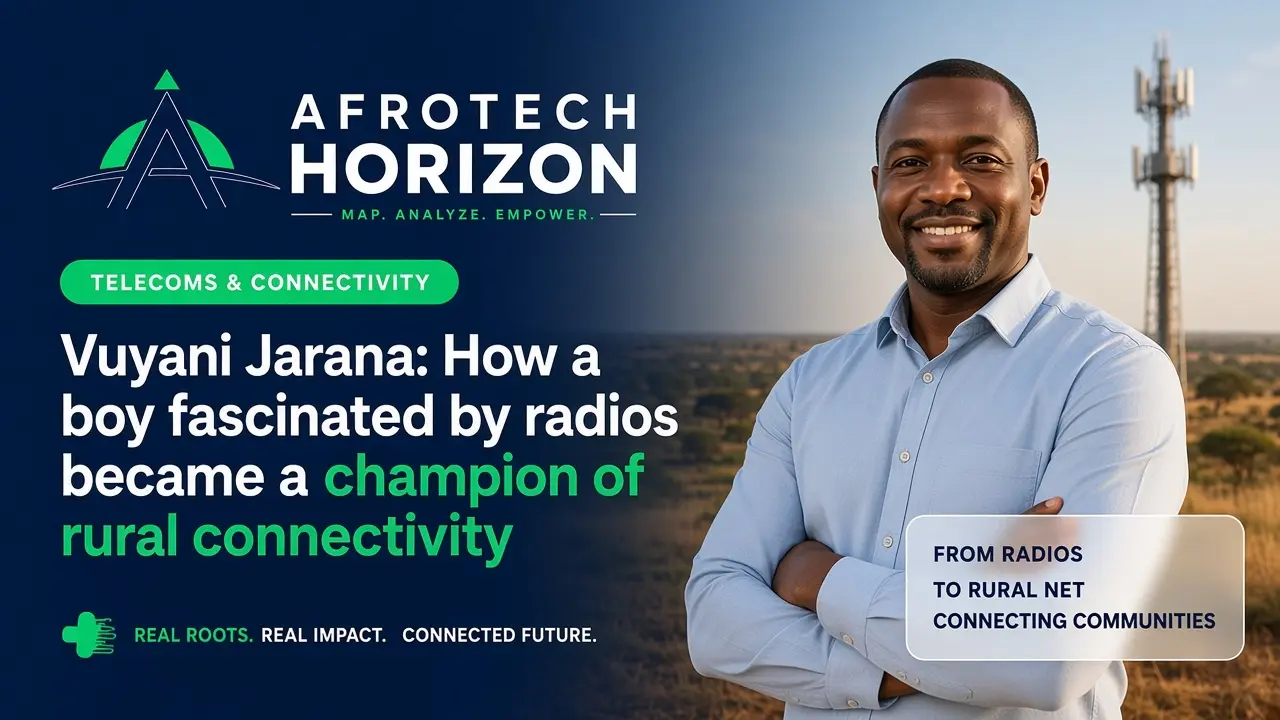
Vuyani Jarana turned his childhood curiosity with radios into a career driving rural connectivity across South Africa. As former chief executive of Vodacom Business and South African Airways, and now leading Ilitha Telecommunications, he focuses on bringing affordable broadband to townships and rural areas.
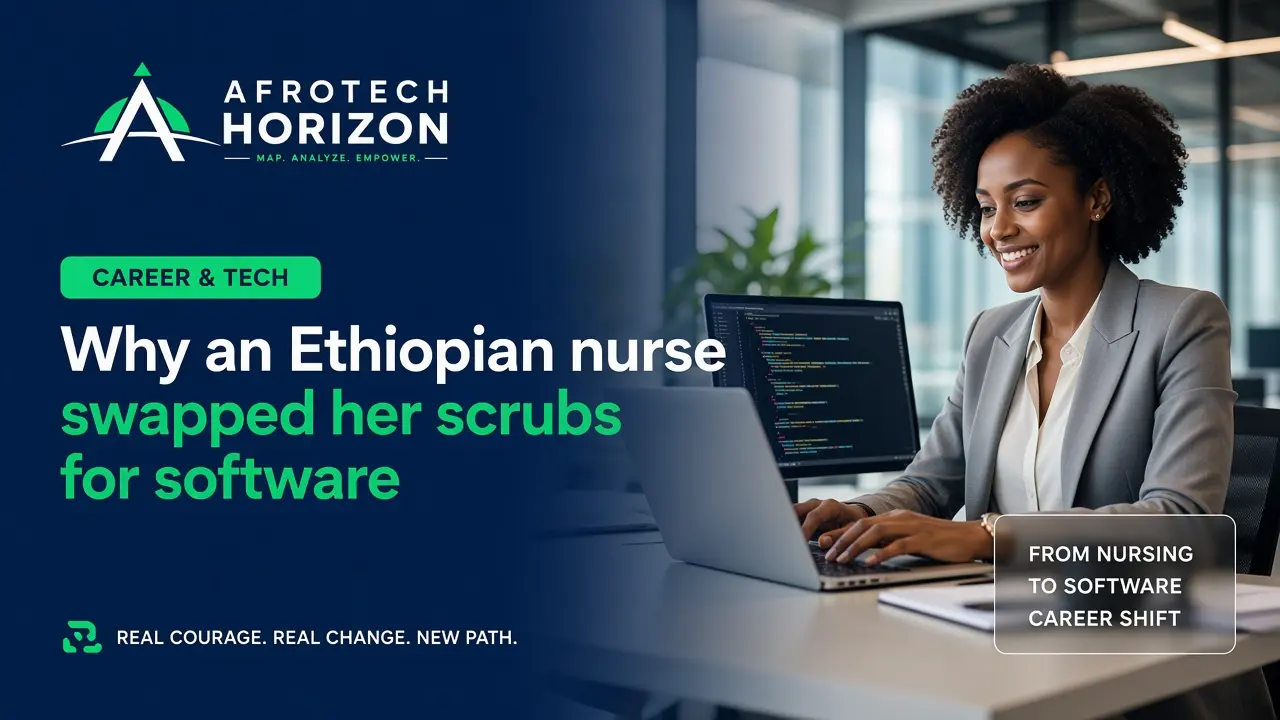
Former healthcare worker Betelhem Abebe transitioned from nursing to software development to build solutions for Ethiopia's health system. Her career shift highlights the growing trend of domain experts learning software development to address sectoral challenges.
Former University of Lagos students Dare Adeola and Olamide Onigbanjo built UniBeta AI to help students navigate complex academic syllabi. By leveraging artificial intelligence to process past questions and university course materials, the edtech startup offers personalized study paths for tertiary education.
Faced with high app acquisition costs and low retention rates, founder Emmanuel Obiechina pivoted away from standalone mobile apps. By launching Kure, he built a banking service operating directly within messaging platforms like WhatsApp and Telegram.
Get a notification when something new is published.
Done. To stop them later, use the notification settings for this site in your browser.