Safaricom has launched Fuliza ya Pochi, an overdraft built into Pochi la Biashara, the M-Pesa wallet that Kenya's smallest businesses use to take payments. The product lets an eligible merchant finish a payment even when the wallet balance is too low, and then repays itself automatically from the money customers send in next. Safaricom is aiming it at more than one million qualifying merchants, according to TechMoran's report of the launch on 23 October.
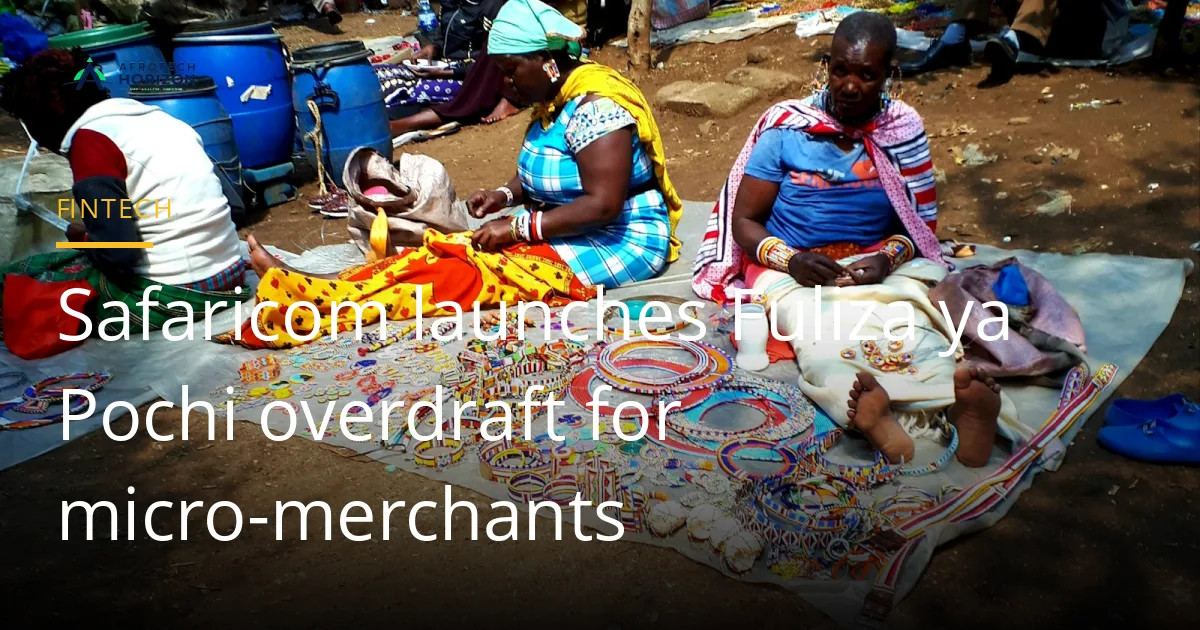
Pochi la Biashara already serves more than two million micro-merchants: kiosk owners, boda boda riders, market traders, hairdressers and others who are too small for a full Lipa na M-Pesa till. Until now, those businesses had no overdraft of their own inside the wallet they use for trade.
How Fuliza ya Pochi works
The mechanics follow the original Fuliza overdraft that Safaricom introduced in 2019 for personal M-Pesa users, adapted for a business wallet:
- What you can pay: suppliers, Buy Goods purchases, money transfers and utility bills.
- Who qualifies: merchants who have actively used Pochi la Biashara for more than six months. Other eligibility rules apply.
- Your limit: set at enrolment, based on your business activity on the wallet.
- Repayment: deducted automatically from later payments received in your Pochi wallet.
- How to sign up: through the Pochi mini app on My OneApp, or by dialling *334#.
The launch report does not list the overdraft's daily charges or access fees, or the size of typical limits. Merchants should check the terms shown during enrolment before they borrow.
Why Safaricom is targeting micro-merchants now
"Across Kenya, thousands of micro-businesses face daily cash flow gaps," said Peter Ndegwa, group chief executive of Safaricom PLC, adding that the service would help merchants meet short-term financing needs.
The gap he describes is familiar to anyone who has run a small shop. A trader may have stock to sell and customers on the way, but not enough cash this morning to pay the supplier who has just arrived with goods. A small, short overdraft that clears itself when sales come in fits that pattern better than a bank loan with paperwork and fixed instalments.
For Safaricom, it extends an existing family of credit products. Personal Fuliza covers individuals. Fuliza ya Biashara offers overdrafts to qualifying Lipa na M-Pesa merchants with tills. Fuliza ya Pochi now covers the layer below them, the merchants on Pochi la Biashara.
The fee cuts that came with it
Safaricom has also cut charges on Pochi la Biashara itself, according to the same report:
- Customer payments of up to KES 200 to a Pochi wallet are zero-rated.
- Charges on payments above KES 200 are cut by 50%, capped at KES 50.
- The measures run for three months.
Cheaper small payments encourage customers to pay by M-Pesa instead of cash. That matters for the overdraft too, because the more payments flow through a merchant's Pochi wallet, the more activity Safaricom can see when it sets limits, and the faster any overdraft is repaid.
What merchants should think about before using it
An overdraft that repays itself is convenient. It also has a catch that is easy to miss on a busy day.
- Your next sales go to the overdraft first. Because repayment comes out of incoming payments, the money from your next customers may not be available to you until the overdraft is cleared. Plan for that if you need cash for transport, rent or the next supplier.
- Check the cost per day. Short-term credit can look cheap per transaction and expensive per year. Compare the charges with what a supplier credit arrangement or a chama loan would cost.
- Keep business and personal money apart. Many micro-traders already mix the two. Adding credit to the business wallet makes clear records more important, not less.
- Use it for stock that sells, not for losses. An overdraft helps when money is coming in soon. It does not fix a business that is losing money.
What it means for Kenya's fintech market
Safaricom's reach gives it an advantage no lender can easily copy: it can see a merchant's daily payment flows and collect repayment from the same wallet. That lets it lend small amounts to businesses with no formal credit history, which banks and digital lenders find hard to do profitably.
It also raises the bar for competitors chasing the same traders. Airtel Money is expanding in Kenya too, as we reported when its Global Pay card headed to Kenya to take on M-Pesa GlobalPay. Bank-led merchant products and digital lenders will now be compared against an overdraft that lives inside the wallet most traders already use.
Regulators will watch how the product is priced and how clearly the terms are shown, given past concerns in Kenya about the cost of mobile credit and repeat borrowing. The success test is simple: whether Fuliza ya Pochi helps traders buy stock they can sell, or becomes another daily charge on very thin margins.
Afrotech Horizon will follow up when Safaricom publishes the fees and the first usage figures.