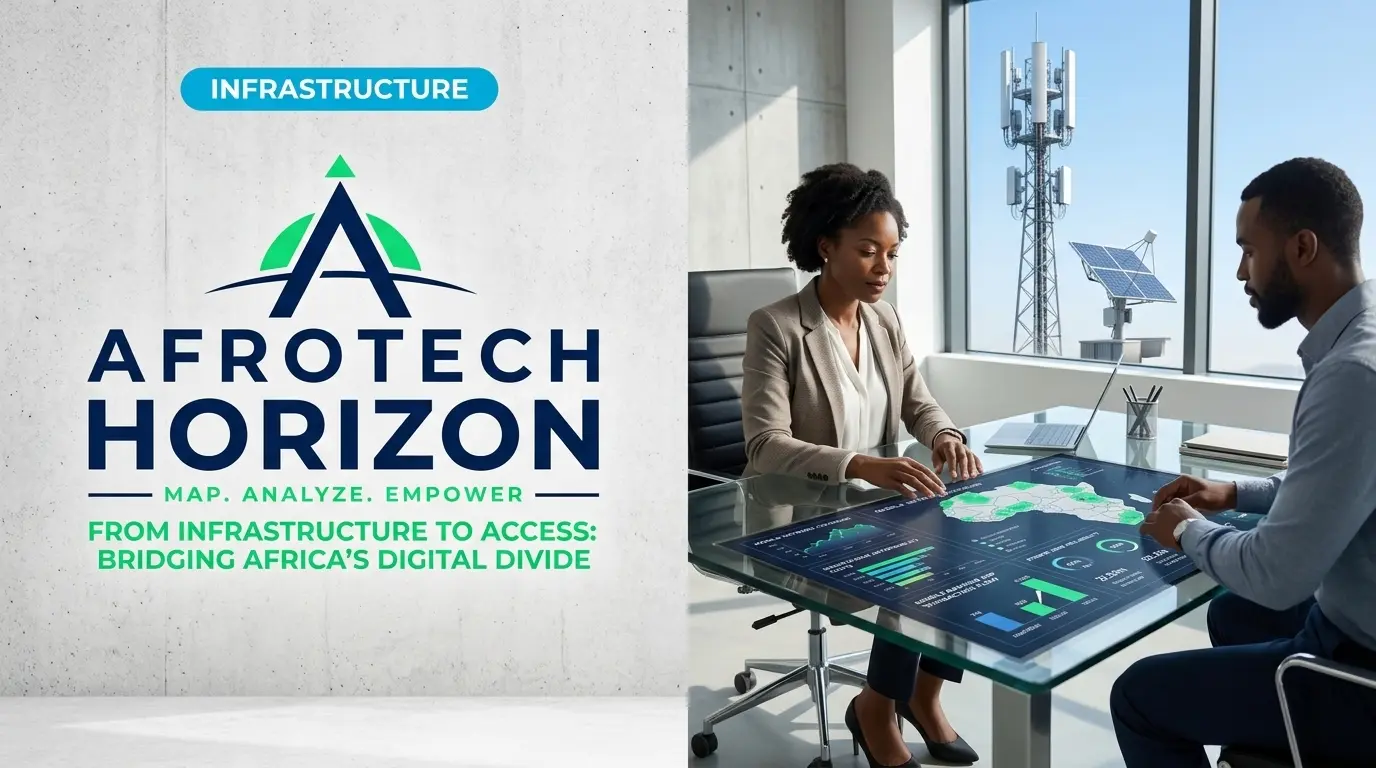
While expanded telecom infrastructure has brought mobile broadband coverage to nearly 90 per cent of the African population, individual internet usage significantly lags behind. About 906 million people across the continent live within range of a mobile network signal yet do not use mobile internet services. For every individual living outside mobile broadband reach, roughly seven others live within coverage but remain disconnected, highlighting that network expansion alone is insufficient to bridge the digital gap.
Primary Obstacles to Internet Adoption The barrier preventing covered populations from getting online extends beyond basic telecom infrastructure to systemic socioeconomic challenges.
Device Affordability: Handset cost remains the leading constraint for non-users. An entry-level smartphone costing $18 can represent 7 per cent of a user's monthly income, while overall shipments of smartphones priced below $100 have experienced notable declines.
Electricity and Power Grid Reliability: Unreliable power grids, frequent blackouts, and limited rural electrification make charging and maintaining digital devices difficult.
Digital Literacy and Trust: Limited digital skills, coupled with rising concerns over online fraud incidents, prevent casual users from transitioning to online banking, e-commerce, and productive digital services.
Conversion Over Coverage Expansion Examples from regional markets demonstrate how network availability outpaces individual adoption. In Rwanda, 4G population coverage reaches approximately 96 per cent, yet unique mobile internet subscribers represent only 21 per cent of the population. Similarly, in Kenya, network coverage reaches nearly 90 per cent of citizens, while active mobile internet usage hovers closer to 28 per cent.
To explore further analysis on digital infrastructure, connectivity policy, and mobile money adoption across Africa, visit AfroTech Horizon.
Realigning Capital for Digital Inclusion Closing the adoption gap requires shifting focus from building additional cell towers to lowering smartphone import duties, expanding device financing schemes, establishing reliable power grids, and delivering localized content. Addressing these last-mile barriers ensures existing network infrastructure translates into meaningful economic participation.