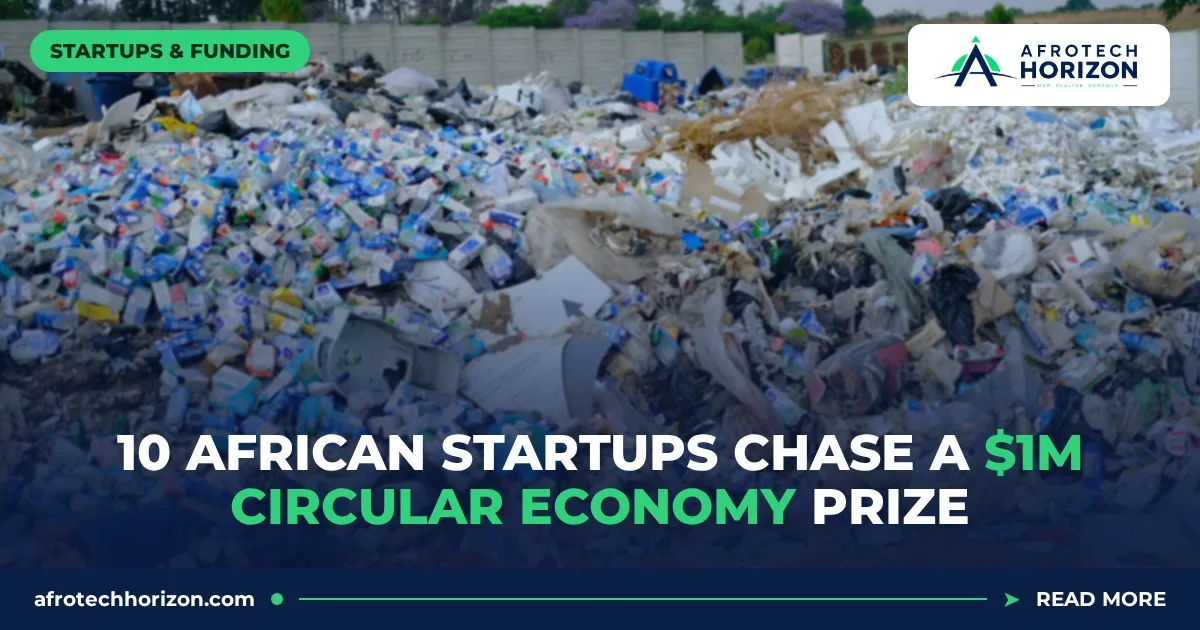
Ten African startups that turn waste into products have been named semi-finalists for the Milken-Motsepe Prize in Circular Economy, a competition worth US$2 million in non-dilutive funding. The shortlist, reported by Disrupt Africa on 19 October, includes companies from Kenya, Ethiopia, Tanzania, Egypt and Nigeria working on glass, plastic, scrap metal, farm waste, sanitation waste and cold storage.
The prize is run by the Milken Institute, the US economic think tank, and the Motsepe Foundation, the South African philanthropy started by Patrice and Precious Motsepe. Non-dilutive means the winners do not give up equity, which makes it unusually valuable for hardware-heavy businesses that struggle to raise venture capital.
How the Milken-Motsepe Prize money is split
According to the organisers, the US$2 million pool breaks down as follows:
- US$500,000 in unrestricted funding shared among the 10 semi-finalists
- US$1 million for the grand prize winner
- US$250,000 for the runner-up
That accounts for US$1.75 million. The published material does not explain how the remaining US$250,000 is allocated. All participants also get mentoring, introductions to investors and international exposure.
The 10 semi-finalists
Kenya (three companies)
- Bottle Logistics East Africa combines a digital reverse-logistics system with industrial glass recovery, turning discarded glass into returnable packaging, cullet and other products.
- Sanergy converts urban sanitation and organic waste into organic fertiliser, biochar and other farm inputs.
- Safi Organics turns rice husks and sugarcane bagasse into carbon-negative organic fertiliser.
Ethiopia (two companies)
- EKT Trade and Investment manufactures products from plastic waste.
- Zafree makes tree-free pulp and paper for packaging from banana farm waste.
Tanzania (two companies)
- Country Materials uses AI to identify, trace and recover scrap metal for the steel industry.
- SafeSip recycles plastic waste into pressure-rated resin and drip irrigation equipment.
Egypt (two companies)
- Papyrus Egypt converts banana plantation waste into biodegradable packaging and liquid fertiliser.
- Triple M Electrical and Electronic Contracting extends the life of power equipment by purifying transformer oil and refurbishing transformers, switchgear and panels.
Nigeria (one company)
- Cold Hubs builds and runs solar-powered cold rooms, refrigerated trucks and reusable crates for food markets and farm clusters.
What the list says about African climate tech
Three patterns stand out.
First, East Africa dominates. Kenya, Ethiopia and Tanzania supply seven of the ten names, which matches the region's strong pipeline of agri-waste and sanitation businesses. Nigeria, the continent's busiest startup market by deal count, has a single entry.
Second, agriculture is the common thread. Five of the ten companies work with farm or organic waste: rice husks, sugarcane bagasse, banana plantation residue and human or food waste. Cold Hubs tackles the other end of the farm problem, the food that rots before it reaches buyers.
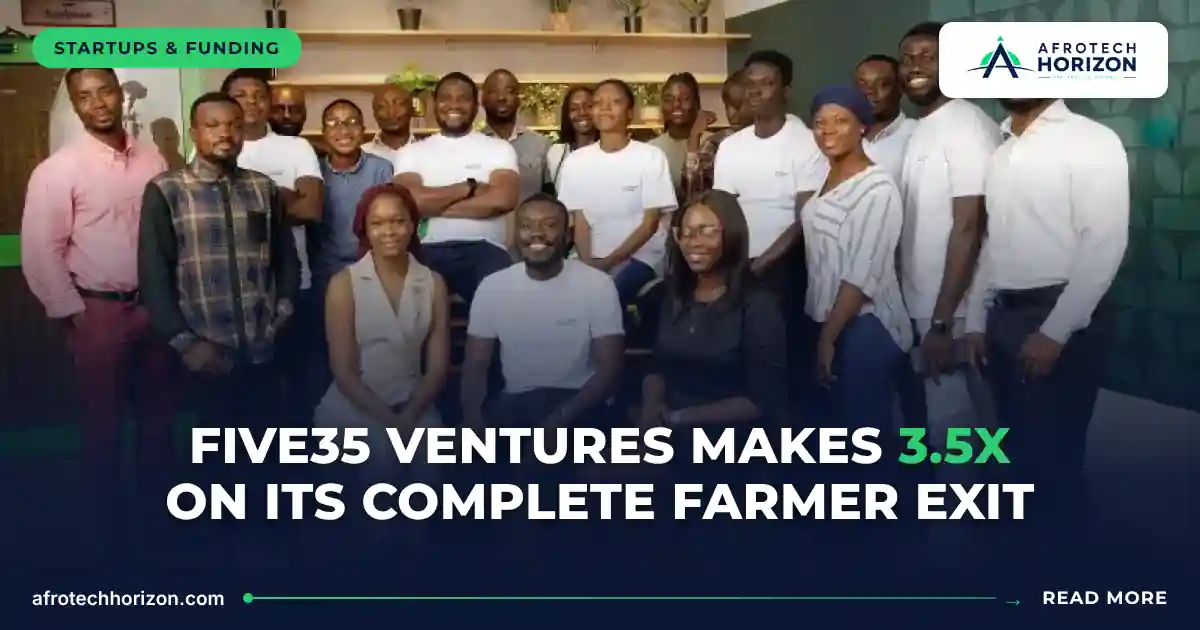
Third, only one company on the list leads with AI. Country Materials applies it to scrap-metal recovery, while the rest are mostly physical operations. That is a useful reminder that a lot of climate impact in Africa still depends on trucks, kilns, crates and factories rather than software. Our recent piece on how Five35 Ventures made 3.5 times its money on Complete Farmer showed that agri-focused businesses can still produce real returns for early backers.
How the winner will be chosen
Judges will assess the semi-finalists on four criteria:
- commercial viability
- scalability
- workforce and social impact
- environmental impact
The field will then be cut from ten to five finalists. No date has been published for that step. The grand prize winner will be announced at the 2027 Milken Institute Global Conference in Los Angeles.
Emily Musil, managing director at the Milken Institute, said "Africa is uniquely positioned to lead in this transition", adding that the prize backs entrepreneurs who turn resource efficiency into competitive businesses that create jobs.
Why grant money matters for these founders
Circular-economy companies sit in an awkward spot for investors. They need equipment, sites and working capital before revenue grows, and their margins depend on commodity prices for things like fertiliser, resin and scrap steel. Equity investors who want software-style growth often pass.
A share of US$500,000 at the semi-final stage will not build a factory, but unrestricted money can pay for the pilots, certifications and sales staff that make a company easier to finance later. For the eventual winner, US$1 million with no equity attached would be a large cheque by the standards of African climate tech, where many seed rounds are smaller.
We will follow the shortlist as it narrows to five finalists.